Laser Cut Puzzles: A Creative Design Asset for Brand Storytelling
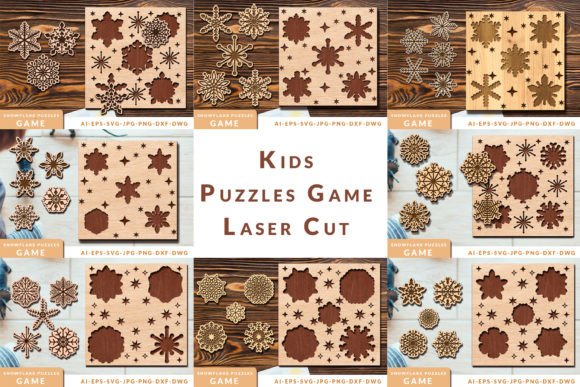
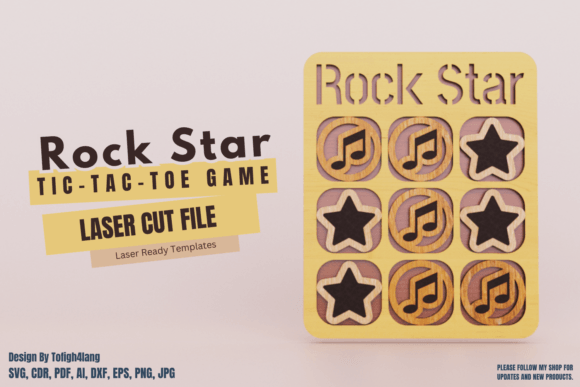
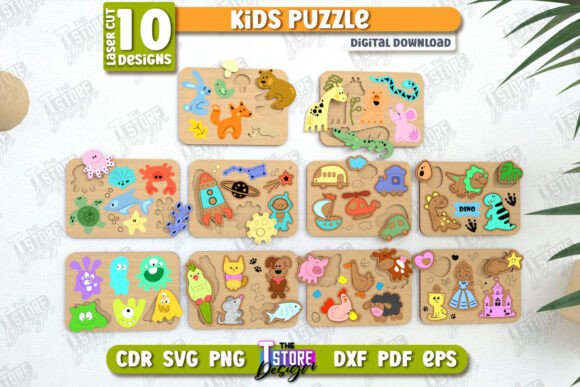
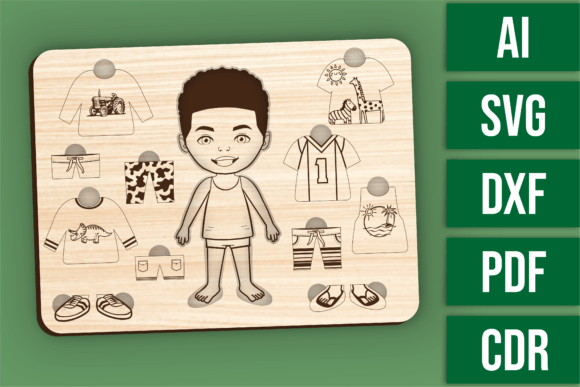
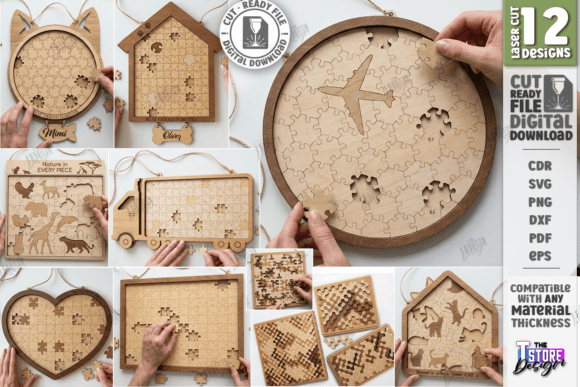
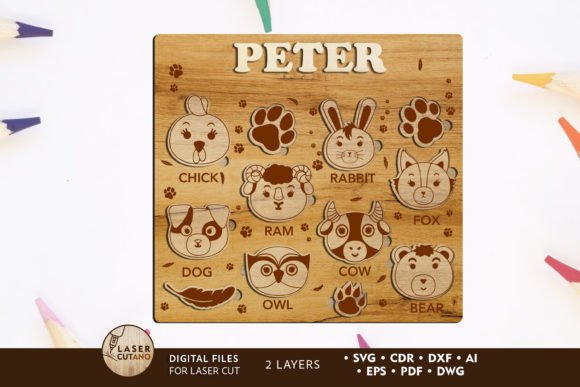
As a brand designer and content marketer, I’m always on the lookout for design assets that offer both aesthetic appeal and functional versatility. The Kids Puzzle Laser Cut Layered Template immediately caught my eye—not just for its playful charm, but for how it can elevate a brand’s visual narrative in a thoughtful, intentional way. Whether you're a small business owner launching a new product or a content creator building a themed campaign, this graphic design asset has the potential to add a tactile, memorable quality to your marketing visuals.
First Impressions: Whimsical, Engaging, and Emotionally Resonant
Opening the Kids Puzzle Laser Cut Layered Template feels like unboxing a box of creative possibilities. The layered SVG and PNG files are cleanly organized, making them easy to import into design platforms like Canva, Illustrator, or Photoshop. The mood is undeniably whimsical—perfect for brands that want to evoke a sense of playfulness, curiosity, or hands-on creativity. This is especially appealing for brands in the children’s market, educational niches, or lifestyle sectors that want to connect with audiences on an emotional level through interactive design.
Practical Brand Communication: More Than Just Cute
While the design is undeniably charming, its real strength lies in how it supports brand storytelling. The layered format allows for dynamic compositions that can be adapted across multiple marketing channels. For example, a toy brand launching a new line of eco-friendly wooden puzzles could use this template to create cohesive product labels, social media graphics, and packaging inserts that all reinforce the brand’s handmade, educational values.
It’s also a strong fit for seasonal promotions. Imagine a boutique gift shop using this design asset to create laser-cut holiday cards or personalized puzzle tags for product packaging. The tactile element adds a layer of audience trust and perceived value that digital-only content often lacks.
Where It Shines in Marketing and Branding
- Social Media Graphics: Ideal for Instagram posts or Pinterest pins that highlight a product’s interactivity or craftsmanship.
- Packaging Design: Perfect for adding a branded, personalized touch to product boxes, inserts, or thank-you notes.
- Email Campaigns: Use the layered SVGs as email headers or call-out graphics to guide visual hierarchy and engagement.
- Content Bundles: Can be repurposed into downloadable templates for customers—like a branded puzzle game or a DIY activity guide.
- Event Promotions: Works well for children’s events, educational workshops, or pop-up shops looking to create a memorable visual hook.
Supporting Key Marketing Goals
The Kids Puzzle Laser Cut Layered Template isn’t just decorative—it’s a strategic design tool. Here’s how it contributes to core marketing objectives:
- Stronger First Impressions: The layered depth and tactile feel immediately draw the viewer in, making it ideal for landing pages or hero graphics.
- Visual Hierarchy: The natural segmentation of puzzle pieces helps organize content visually without looking cluttered.
- Brand Consistency: When recolored to match brand palettes, the template maintains a cohesive look across assets like product labels, social media, and editorial design.
- Audience Trust: Especially for handmade or educational brands, the laser-cut aesthetic reinforces authenticity and craftsmanship.
- Emotional Connection: The playful, interactive nature of puzzles can evoke nostalgia or curiosity—powerful emotional triggers in marketing.
Best Use Cases for Maximum Impact
This graphic design asset performs best when used as a hero graphic or campaign header where visual storytelling is key. It works beautifully in:
- Branded Canva templates for content creators
- Pinterest-optimized blog graphics
- Product launch visuals for kids’ products or DIY kits
- Packaging accents that enhance unboxing experiences
- Interactive editorial layouts for digital or print magazines
Where to Use It with Caution
Despite its versatility, the Kids Puzzle Laser Cut Layered Template isn’t a one-size-fits-all solution. It should be used carefully in:
- Formal corporate branding: The playful nature may clash with more serious brand tones.
- Text-heavy ads: Too many puzzle pieces can distract from key messaging.
- Mobile-first designs: Complex layers may not scale well on small screens.
- Minimalist brand aesthetics: Can feel visually overwhelming if not simplified.
Designer Notes: Practical Tips for Implementation
Before integrating this asset into a live campaign, here are a few checks I recommend:
- Test with brand colors: Ensure the template works with your existing color palette and adjusts easily in design tools.
- Preview in black and white: Some layered elements may lose definition when printed or viewed in grayscale.
- Mockup placement: Import the design into real-world mockups (like packaging or social media templates) to see how it performs contextually.
- Mobile readability: Zoom out to 50% and check if the design remains clear and legible on smaller screens.
- Font compatibility: Try pairing the design with serif, sans-serif, and script fonts to see which best supports your brand voice.
- Spacing and balance: Avoid overcrowding the layout—let the puzzle pieces enhance, not dominate, your message.
- Commercial licensing: Always confirm that the asset includes a commercial license, especially if you're using it for client work or paid advertising.
Final Thoughts: A Strategic Addition to Your Creative Toolkit
The Kids Puzzle Laser Cut Layered Template is more than a trendy design—it’s a strategic visual asset that can help small businesses, content creators, and digital sellers build more engaging, emotionally resonant campaigns. Whether you’re designing for print or digital, personal or commercial use, this template offers a unique way to differentiate your brand in a crowded visual landscape.
If your brand thrives on creativity, interactivity, and storytelling, this is a design asset worth exploring. Just remember to test it thoroughly, pair it thoughtfully with your brand elements, and use it where it adds the most value—both visually and emotionally.