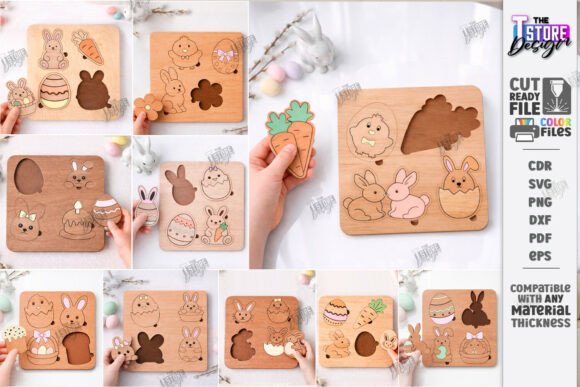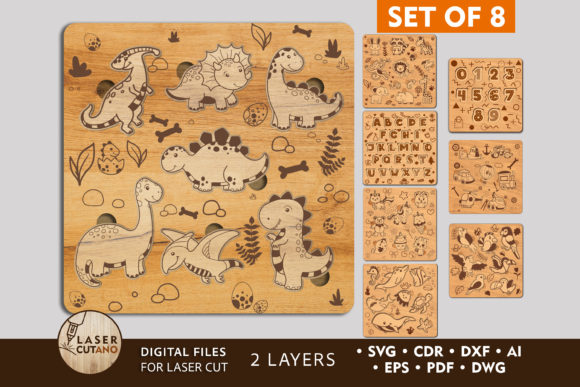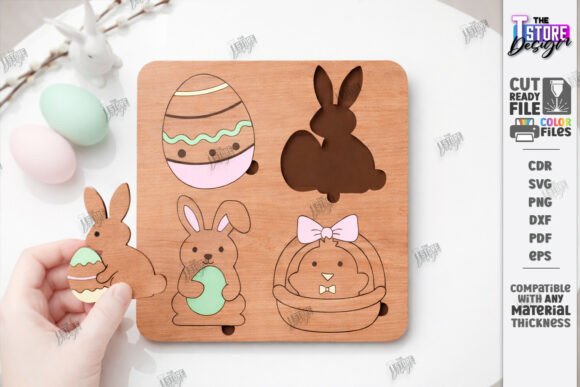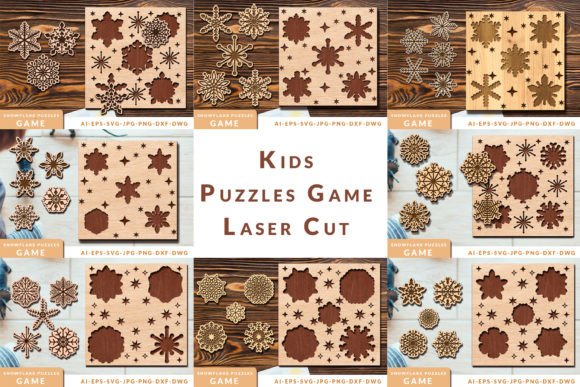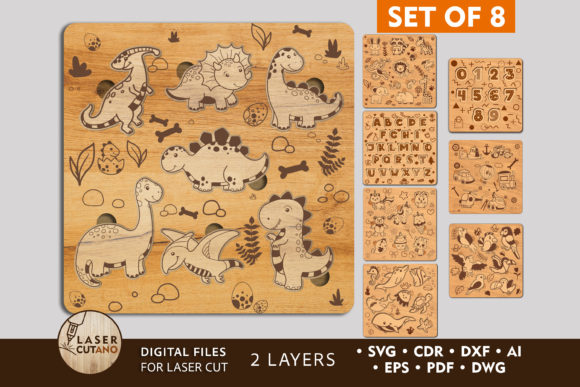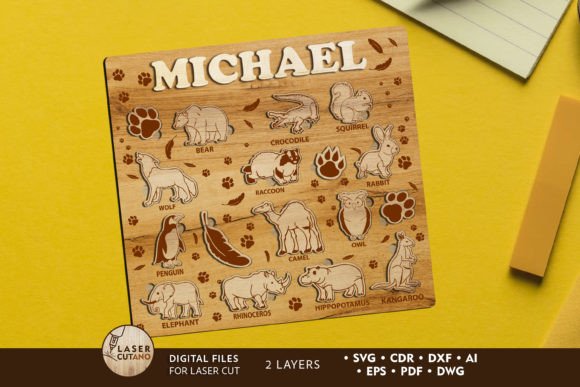
Kids Puzzle Decorative Cut Template for Laser Cutting & Creative Puzzles
First Impressions: Playful, Engaging, and Brand-Ready
The Kids Puzzle Decorative Cut Template immediately communicates a sense of fun and interactivity. Its design language leans toward youthful, educational, and tactile experiences, making it a compelling choice for brands targeting children, parents, educators, or creative DIY audiences. From a brand designer’s perspective, this asset strikes a balance between whimsy and professionalism—offering visual intrigue without veering into overly casual territory. It feels particularly well-suited for small businesses launching seasonal campaigns, toy brands, activity centers, or digital product creators building themed content kits.
Setting the Tone: Emotional Connection Through Visual Play
Visual consistency is key in brand communication, and this design asset contributes to a cohesive emotional tone. The puzzle motif naturally evokes curiosity, discovery, and engagement—perfect for campaigns promoting learning, creativity, or interactive products. Whether used in packaging design, social media graphics, or product labels, it reinforces a brand personality that’s approachable, imaginative, and hands-on. For lifestyle content creators or event planners, this template adds a decorative layer that supports storytelling without overpowering the message.
Real-World Marketing Uses: From Social Media to Packaging Design
In practice, the Kids Puzzle Decorative Cut Template proves versatile across multiple marketing formats. As a brand designer, I’ve found it particularly effective in:
- Social media graphics – Especially for Instagram posts and Pinterest pins, where playful visuals drive engagement.
- Product packaging – Adds a tactile, memorable element to physical products, especially when laser-cut for real-life puzzles or branded inserts.
- Email banners – Introduces a thematic visual that aligns with campaign narratives around learning or creativity.
- Lead magnets and printable promotions – Offers a decorative but functional layout for downloadable content kits.
- Editorial design – Works well in blog graphics or branded infographics that need a touch of visual interest.
Its multilayer structure also makes it ideal for Canva templates and design bundles aimed at content creators, small business owners, and digital sellers looking to elevate their visual consistency.
Supporting Brand Goals: Recognition, Trust, and Engagement
This design asset contributes to several key marketing goals. By integrating it into a campaign, brands can:
- Strengthen first impressions – The unique cut-out layout instantly catches the eye, especially in crowded feeds or print media.
- Enhance visual hierarchy – Provides natural focal points and flow for layouts, guiding the viewer’s attention effectively.
- Build brand recognition – When used consistently across assets like packaging design, logo design variations, and digital ads, it becomes part of a memorable brand signature.
- Foster emotional connection – The playful puzzle theme resonates with audiences seeking interactive or educational content.
- Improve perceived professionalism – Despite its casual feel, the clean lines and layered structure suggest thoughtful design, reinforcing trust in the brand.
Where It Shines: Campaign Headers, Merch, and Visual Bundles
The Kids Puzzle Decorative Cut Template performs exceptionally well in the following marketing contexts:
- Hero graphics – Adds dimension and intrigue to landing pages or campaign headers.
- Product launch visuals – Perfect for teaser graphics or branded packaging for new toy or learning products.
- Branded templates – Ideal for creating cohesive Canva kits or social media bundles for clients or internal teams.
- Promotional banners – Works well in digital or print ads that need a tactile, engaging visual.
- Merchandise design – Especially for stickers, posters, or branded giveaways that appeal to kids and families.
Where to Use It Carefully: Formal Branding and Dense Layouts
While this design asset is highly adaptable, it may not be the best fit for every situation. It should be used with caution in:
- Formal corporate branding – The playful tone may not align with high-end or professional services.
- Dense information layouts – Can distract from content-heavy designs like reports or data-driven infographics.
- Small mobile graphics – The intricate cuts may lose clarity on tiny screens.
- Low-contrast backgrounds – Could become visually muddy if not tested properly.
- Text-heavy ads – May compete with messaging rather than support it.
Practical Designer Notes: Testing, Pairing, and Licensing
Before deploying the Kids Puzzle Decorative Cut Template in a live campaign, consider the following brand design best practices:
- Test with your brand palette – Ensure the design works with your primary and secondary brand colors, especially if you’re using it in packaging design or logo variations.
- Check black and white usage – Some intricate cuts may disappear in monochrome applications.
- Mock it up in real campaign visuals – See how it looks in context, whether in a digital ad or physical product mockup.
- Preview on mobile – Confirm it remains legible and impactful on smaller screens.
- Test font pairings – Try it with serif, sans-serif, script, and display fonts to find the right tone for your brand.
- Review spacing and balance – The puzzle layout can create visual tension if not properly aligned with other elements.
- Confirm commercial licensing – Especially important if you're using it in client work, paid campaigns, or digital product visuals.
Final Thoughts: A Versatile Graphic Design Asset for Creative Marketers
The Kids Puzzle Decorative Cut Template is more than just a visual flourish—it’s a strategic graphic design asset that supports content marketing, brand storytelling, and audience engagement. Whether you're a small business owner launching a new product or a content creator building a printable design bundle, this asset can elevate your visuals while maintaining a professional edge. As with any creative design, the key is to use it intentionally—aligning its playful energy with your brand voice and campaign goals. When used thoughtfully, it becomes a memorable part of your visual identity that resonates with your target audience and strengthens your overall brand presence.